







Carer Burnout: How to Recognise & Manage It
Caring for a loved one can be deeply rewarding, but it can also be physically, emotionally, and mentally exhausting. If you are feeling constantly tired, overwhelmed, or unable to cope, you may be experiencing carer burnout.
According to Carers UK’s latest State of Caring survey, 57% of unpaid carers feel overwhelmed often or always, and over a third (35%) say their mental health is bad or very bad. Two thirds (65%) say they feel overwhelmed because they cannot take a break from their caring role.
Carer burnout is not a sign of weakness or failure. It is a very real response to prolonged stress and a lack of support. Recognising the signs and taking steps to protect your wellbeing is not selfish. It is essential.
This guide will help you understand what carer burnout is, how to recognise the warning signs, and what you can do to manage it.
What Is Carer Burnout?
Carer burnout is a state of physical, emotional, and mental exhaustion caused by the prolonged demands of caring for someone else. It happens when you feel overwhelmed by your caring responsibilities, have little time for yourself, and are unable to get adequate rest or support.
Burnout can develop gradually over months or years, or it can happen suddenly after a crisis or change in your loved one’s condition. It affects carers in all situations, whether you are caring full time or juggling caring with work, parenting, or other responsibilities.
Why Does Carer Burnout Happen?
There are many reasons why carers experience burnout. Some of the most common include:
- Lack of breaks: Many carers find it difficult or impossible to take time away from their caring role. Without regular breaks, stress and exhaustion build up over time. According to Carers UK, 65% of carers say they feel overwhelmed because they cannot take a break.
- Isolation and loneliness: Caring can be isolating. You may have less time to see friends, pursue hobbies, or socialise. According to Mind, many carers say their world has shrunk and they feel alone in their caring role.
- Constant worry and stress: Spending a lot of time thinking about your loved one’s health, safety, or future can feel overwhelming. Over time, this constant worry can lead to anxiety and burnout.
- Lack of support: Many carers do not receive the practical or emotional support they need. Carers UK found that only 23% of carers had completed a carer’s assessment in the last 12 months, and of those, 42% said their local authority did not provide support following the assessment.
- Financial pressure: Caring can be expensive. You may have to pay for extra care, medical costs, or travel. Many carers also reduce work hours or stop working entirely, straining finances.
- Neglecting your own health: Carers often prioritise the needs of the person they care for over their own. This can affect diet, exercise, GP visits, and sleep, taking a toll on physical and mental health.
- Feeling guilty or unable to say no: Many carers feel guilty about taking time for themselves or asking for help. You may feel you should do more, or that no one else can care for your loved one the way you do.
Signs and Symptoms of Carer Burnout
Burnout affects everyone differently, but there are common warning signs. If you recognise several of these, it may be time to seek support.
Physical signs:
- Constant tiredness or exhaustion, even after rest
- Frequent headaches, muscle pain, or tension
- Getting ill more often (colds, infections)
- Changes in appetite (eating more or less than usual)
- Sleep problems (difficulty falling asleep, waking frequently, or sleeping too much)
- Neglecting your own health needs
Emotional signs:
- Feeling overwhelmed, anxious, or constantly on edge
- Feeling low, sad, or hopeless
- Irritability, anger, or frustration
- Feeling emotionally numb or detached
- Frequent crying or feeling tearful
- Loss of motivation or interest in things you used to enjoy
Mental and cognitive signs:
- Difficulty concentrating or making decisions
- Memory problems or forgetfulness
- Feeling like you cannot cope
- Negative thoughts about yourself or your situation
Behavioural signs:
- Withdrawing from friends, family, or social activities
- Using alcohol, smoking, or other substances to cope
- Snapping at the person you care for or others
- Neglecting self-care (not eating properly, not washing, not attending appointments)
According to Mind, experiencing several of these symptoms—particularly if they affect your ability to care safely—is a sign to seek help.
The Impact of Carer Burnout
Burnout affects not only you, but also the person you care for and your family. When burnt out, you may:
- Find it harder to provide safe, compassionate care
- Make mistakes with medication or care tasks
- Become impatient or short-tempered
- Feel resentful towards the person you care for
- Be at greater risk of developing physical or mental health problems
Carers UK found that unpaid carers are more likely to develop long-term health conditions compared to people without caring roles. Over a quarter (27%) reported their physical health as bad or very bad. Managing burnout is important both for you and the person you care for.
How to Manage and Prevent Carer Burnout
Burnout can be managed with practical strategies:
1. Accept that you cannot do everything alone
Asking for help is a sign of strength, not failure.
- Ask family or friends to help with tasks (shopping, errands, sitting with your loved one)
- Be honest about how you feel and what you need
- Consider paid help or respite care if available
2. Take regular breaks
Even short breaks help recharge and reduce stress.
- Ask someone to cover for an hour or two so you can rest or enjoy an activity
- Explore respite care services for longer breaks
- Use the time for yourself, not just chores
3. Request a carer’s assessment
All carers in England are entitled to a carer’s assessment under the Care Act 2014.
- Contact your local council’s adult social care department
- Be honest about how caring affects your health, work, and life
- Ask about respite care, day centres, home care services, or financial support
- If unhappy with the outcome, ask for a review or seek advice from Carers UK
4. Look after your physical health
- Eat regular, nutritious meals
- Get outside for fresh air and gentle movement
- Attend GP, dental, and health appointments
- Seek support from your GP for sleep, pain, or low mood
5. Connect with others
- Join local or online carer support groups
- Talk to friends or family about how you feel
- Use forums like the Carers UK Forum
- Attend carer meetups or events
6. Set boundaries
- Decide what you can realistically manage and communicate it
- Let go of non-essential tasks
- Accept that you cannot control everything
- Give yourself permission to rest without guilt
7. Seek professional support
- Book a GP appointment and be honest about your feelings
- Ask about counselling, talking therapies, or medication if needed
- Contact Mind’s Infoline: 0300 123 3393
- If in crisis, call Samaritans: 116 123 (free, 24/7)
- If having thoughts of harming yourself, call 999 or go to A&E
Where to Get Help
- Carers UK Helpline: 0800 808 7777 (Mon–Fri 9am–6pm), advice@carersuk.org, www.carersuk.org
- Mind Infoline: 0300 123 3393 (Mon–Fri 9am–6pm), info@mind.org.uk, www.mind.org.uk
- Carers UK Online Forum: forum.carersuk.org
- Samaritans: 116 123 (free, 24/7), www.samaritans.org
- Your GP: Talk to your GP about how caring affects your health
- Local carer support services: Search for local carer centres and support groups
Final Thoughts
Caring for someone you love is one of the hardest things you will ever do. It is okay to find it difficult, feel overwhelmed, and ask for help. Looking after yourself is not selfish—it is essential. You cannot pour from an empty cup. By taking care of your own wellbeing, you protect your ability to care with compassion and patience.
At Boutique Care Homes, we understand the challenges families face. Whether you are exploring respite care, short stays, or longer-term residential care, we support you every step of the way. Our compassionate care teams provide personalised, holistic care in warm, homely environments, giving families peace of mind and time to rest.
If you would like to talk to us about how we can support your family, please get in touch.
SOURCES:
Mind. (2021). Your mental health as a carer. Available at: https://www.mind.org.uk/information-support/helping-someone-else/carers-friends-family-coping-support/your-mental-health/
Carers UK. (2025). Unpaid carers feeling overwhelmed, with over half saying they need more support from councils to take a break. Available at: https://www.carersuk.org/press-releases/unpaid-carers-feeling-overwhelmed-with-over-half-saying-they-need-more-support-from-councils-to-take-a-break/
Other articles that you may like

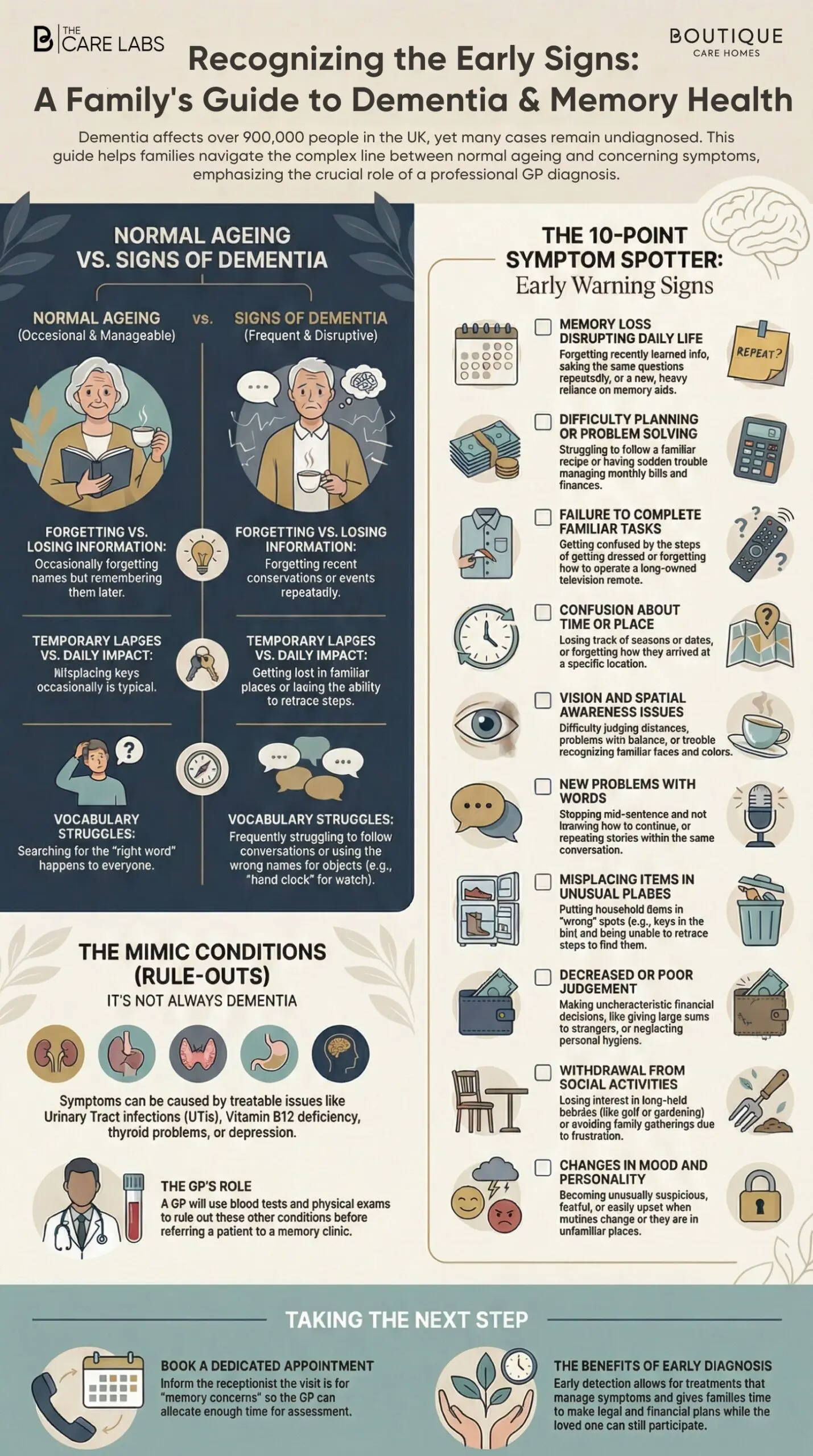
Recognising the early signs: A Familys guide to Dementia & memory health
 Read More