


Hydration Tips for Elderly: Preventing Dehydration
Staying hydrated is essential for health at any age, but it becomes even more important as we get older. Dehydration is a common and serious problem for elderly people, yet it is often overlooked until symptoms become severe.
According to Age UK, older people are at higher risk of dehydration due to reduced thirst sensation, medications, and health conditions. Dehydration can cause confusion, falls, urinary tract infections, and hospitalisations, yet it is largely preventable with awareness and simple daily habits.
This guide explains why hydration matters, how to recognise dehydration, and practical ways to encourage regular fluid intake for elderly people at home or in care.
Why Hydration Matters
Water makes up about 60% of the human body and is essential for almost every bodily function, including:
- Regulating body temperature
- Transporting nutrients and oxygen to cells
- Removing waste products through urine
- Lubricating joints
- Supporting digestion
- Maintaining healthy skin
- Supporting brain function and concentration
- Maintaining blood pressure
As we age, the body holds less water, the sensation of thirst decreases, and kidney function can decline. This makes older people more vulnerable to dehydration, even from minor illnesses or hot weather.
Signs of Dehydration in Elderly People
Dehydration can develop quickly and may be hard to spot, especially in people with dementia or other cognitive conditions. Early recognition is important.
Mild to Moderate Dehydration Signs:
- Dry mouth, lips, or tongue
- Dark yellow or strong-smelling urine
- Passing urine less often than usual
- Feeling tired or lethargic
- Dizziness or lightheadedness
- Headaches
- Constipation
- Dry or less elastic skin
Severe Dehydration Signs (Seek Medical Help Immediately):
- Confusion or disorientation
- Rapid heartbeat or breathing
- Sunken eyes
- Very little or no urine output
- Extreme weakness or fainting
- Low blood pressure
If you suspect severe dehydration, contact your GP immediately or call 111. In emergencies, call 999.
Why Elderly People Are at Higher Risk
Several factors increase the risk of dehydration in older adults:
- Reduced thirst sensation: The body’s natural thirst signals become weaker with age.
- Medications: Some drugs, including diuretics, laxatives, and certain blood pressure medications, increase fluid loss.
- Mobility issues: Difficulty reaching drinks may lead to lower fluid intake.
- Cognitive conditions: Dementia or confusion can result in forgetting to drink or not recognising thirst.
- Swallowing difficulties: Conditions like stroke or Parkinson’s can make drinking uncomfortable.
- Fear of incontinence: Some restrict fluids to avoid accidents.
- Illness: Fever, vomiting, diarrhoea, and infections increase fluid loss.
How Much Should Elderly People Drink?
The NHS recommends adults drink 6 to 8 glasses (around 1.2 to 1.5 litres) of fluid per day. This includes water, tea, coffee, milk, squash, and other drinks.
Fluid needs may increase:
- In hot weather
- During or after illness
- If taking medications that increase fluid loss
- If physically active
Food also contributes to hydration. Soups, stews, fruit, vegetables, yoghurt, and jelly all contain water.
Practical Tips for Encouraging Hydration
- Offer drinks regularly: Every 1 to 2 hours, including meals and with medications.
- Keep drinks visible and accessible: Place cups within easy reach.
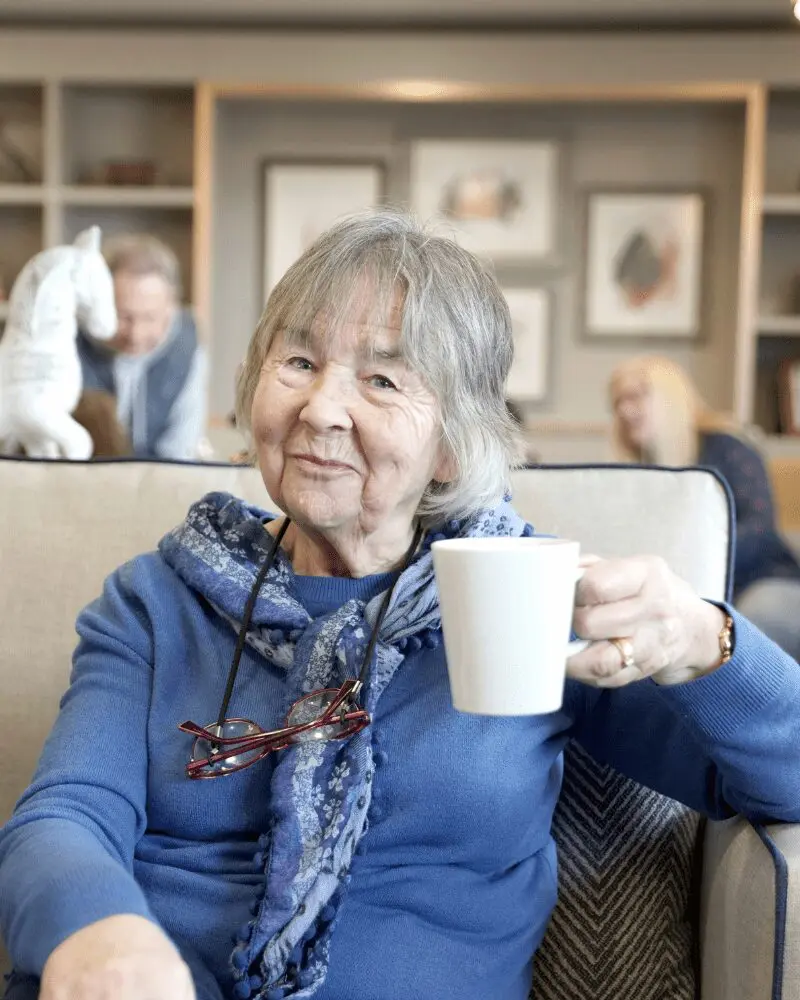
- Use easy-to-hold, visible cups: Large handles, non-slip bases, bright colours help.
- Offer a variety of drinks: Tea, coffee, squash, fruit juice, milk, herbal teas, hot chocolate, or flavoured water.
- Make drinks appealing: Serve at preferred temperatures; add ice, lemon, or fruit.
- Encourage small, frequent sips: Better than large amounts at once.
- Include hydrating foods:
- Soup or broth
- Fresh fruit (melon, oranges, grapes, strawberries)
- Vegetables (cucumber, tomatoes, lettuce, celery)
- Yoghurt
- Jelly or ice lollies
- Smoothies
- Use straws or special cups: Helps those with coordination or swallowing difficulties.
- Set reminders: Use alarms, charts, or phone alerts.
- Make drinking social: Sit down together to enjoy a drink.
Special Considerations for People with Dementia
People with dementia are at particularly high risk because they may forget to drink, not recognise thirst, or refuse drinks.
Helpful strategies:
- Offer drinks at the same times each day (routine helps)
- Use plain, brightly coloured cups
- Offer drinks the person enjoys
- Demonstrate drinking yourself
- Use gentle verbal prompts: “Have a sip of your tea”
- Try different drinks or temperatures
- If refused, try again later; never force or argue
When Drinking Becomes Difficult: Thickened Fluids
Swallowing difficulties (dysphagia) can make drinking dangerous. Signs include coughing or avoiding fluids. Speak to your GP, who may refer a speech and language therapist. Recommendations may include:
- Thickened fluids
- Postural adjustments (sitting upright, chin tucked)
- Special cups or drinking techniques
Never thicken fluids without professional advice.
Champion Smoothie Recipe
A nutritious, hydrating smoothie inspired by residents at Boutique Care Homes.
Ingredients:
- 1 banana
- Handful of berries (fresh or frozen)
- 150ml milk (dairy or plant-based)
- 1 tbsp honey or maple syrup (optional)
- 1 tbsp oats (optional, for fibre and energy)
- Ice cubes (optional)
Method:
- Place all ingredients in a blender
- Blend until smooth
- Pour into a glass and serve immediately
Tips: Add Greek yoghurt for protein, soft fruit like mango or peach for variety, or spinach for extra nutrients. Serve with a thick straw if easier to drink.
Myths About Hydration
- Tea and coffee do not count: False. They contribute to fluid intake.
- You should only drink water: False. All fluids, including milk, juice, soup, tea, and squash, count.
- Older people need less fluid: False. Adults still need 6 to 8 glasses daily.
- If not thirsty, you don’t need to drink: False. Offer fluids regularly, as thirst is unreliable in older adults.
When to Seek Medical Advice
Contact your GP or call 111 if:
- No urine for 12 hours or more
- Very dark or strong-smelling urine
- Confusion, drowsiness, or unusual lethargy
- Fever, vomiting, or diarrhoea
- Refusal of all fluids for over 24 hours
- Signs of severe dehydration
Severe dehydration may require medical treatment, including intravenous fluids.
Summary: Simple Steps for Better Hydration
- Offer drinks every 1 to 2 hours
- Keep drinks visible and within reach
- Use easy-to-hold, brightly coloured cups
- Offer a variety of drinks
- Include hydrating foods
- Encourage small, frequent sips
- Monitor urine colour (pale yellow is ideal)
- Seek help if signs of dehydration appear
At Boutique Care Homes, hydration is a key part of daily care. Our team encourages regular drinking through personalised routines, a variety of drinks and hydrating foods, and close monitoring to keep everyone healthy and comfortable.
SOURCES:
NHS: https://www.nhs.uk
Age UK: https://www.ageuk.org.uk
Alzheimer’s Society: https://www.alzheimers.org.uk
British Dietetic Association: https://www.bda.uk.com
Other articles that you may like

Finger Foods for Dementia: Practical Ideas to Make Mealtimes Easier
 Read More