







Carer Guilt: Why It Happens and How to Manage It
Carer guilt is one of the most common emotions families face. Here’s why it happens, what it really means, and what genuinely helps.
If you’re caring for an ageing parent or a partner living with dementia, there’s a good chance guilt is never far away. It shows up in quiet moments: when you raise your voice, when you take an afternoon for yourself, when you start to wonder whether a care home might actually be the right thing. It’s exhausting, and it’s almost universal.
Carer guilt is the emotional distress that comes from feeling you’re falling short of the standard you’ve set for yourself as a carer. It doesn’t mean you’re failing. In fact, it usually means the opposite. You care deeply. And caring deeply in an impossibly hard situation is what produces this particular kind of pain.
This guide won’t tell you to simply stop feeling guilty. That’s not how emotions work. What we will do is help you understand where it comes from, name the triggers you’ll probably recognise, and give you some tools that genuinely help.
Why do carers feel guilty?
Guilt in caring situations is so common that organisations like Carers UK and Dementia UK name it as one of the defining emotional experiences of unpaid care. But knowing it’s common doesn’t always make it easier to carry.
The roots are usually one of three things:
Unrealistic expectations. Most of us come into caring with an image of the carer we want to be: patient, tireless, always present. Real caring rarely looks like that, and the gap between the ideal and the reality is where guilt lives.
The sheer weight of the role. Caring for someone with a complex condition, whether that’s dementia, a physical illness, or age-related frailty, is relentless. Fatigue, frustration, and grief are baked in. Feeling those things isn’t a character flaw; it’s a human response to a very hard situation.
Love. Guilt and love travel together. The more you care about someone, the more acutely you feel every moment you think you’ve let them down.
The most common triggers
Guilt rarely arrives as one big feeling. It tends to attach itself to specific moments and situations. Here are the ones we hear about most often.
Losing your patience
Almost every carer, at some point, snaps. You raise your voice. You say something you immediately regret. Then the guilt hits. The Alzheimer’s Society is clear on this: frustration and anger are natural responses to an incredibly stressful role. If you’re caring for someone with dementia, it can help to read our guide on why dementia behaviour is communication, which reframes some of the most difficult moments in a way that many families find genuinely useful.
If you do lose your temper, try to step out of the room briefly, then come back. Most people with dementia won’t remember the incident. You will, which is what makes it so painful. Be as kind to yourself as you’d be to a friend in the same situation.
Needing time away
Wanting time to yourself is not selfish. It’s necessary. Carers who never take a break don’t become better carers over time; they become burnt-out ones. The Dementia UK guidance puts it well: ask yourself what the person you’re caring for would want for you if the roles were reversed. The answer is almost always that they’d want you to rest.
Accepting help
Many carers feel they should be able to manage everything themselves. Asking for help, using a home carer, or arranging respite care can feel like admitting defeat. It isn’t. It’s good judgement. Bringing in support, even temporarily, usually means you can go on caring for longer, and often means the person you’re caring for gets better quality time with you when you are together.
Feeling relieved
Some carers feel a deep, shameful relief when a loved one has a particularly peaceful day, when someone else takes over for a weekend, or after a death. Relief is a normal response to prolonged stress. It doesn’t mean you didn’t love the person, or that you didn’t try hard enough. It means you were human, doing something genuinely hard for a long time.
Moving a loved one into a care home
This is the trigger that causes some of the deepest guilt, particularly when a promise was made years earlier. ‘I’ll never put you in a home.’ Most of those promises were made before anyone knew what the future would look like. As Dementia UK notes, you couldn’t have made an informed decision then about circumstances that hadn’t yet developed.
What’s also worth knowing, and what many families discover after the move, is that the relationship often improves. When you’re no longer the person managing every physical need, you can be the person who sits with them, talks with them, and enjoys their company again. That’s not a lesser form of caring. For many families, it’s a better one.
What carer guilt is actually telling you
Guilt, in this context, is almost always a sign that your standards are too high, not that your care is too low. The people who feel no guilt in caring roles are often the ones who aren’t paying close enough attention.
It’s also worth separating guilt from grief. A lot of what carers call guilt is actually grief: grief for the person their loved one used to be, for the relationship they had, for the life that’s been put on hold. These are different emotions, and they need different things from you.
If your guilt is persistent and overwhelming, it may be a sign that you need more support, not that you’re doing something wrong. Mind’s guidance on carer mental health is a good starting point if you’re finding things difficult.
How to manage carer guilt
There’s no switch to turn guilt off, but there are things that help. These come up consistently in the research and in the experience of families who’ve been through it.
Name it. Guilt is easier to manage when it’s identified clearly. Say it out loud, write it down, or tell someone you trust. Simply being listened to can shift the weight of it considerably.
Check the evidence. When guilt tells you that you’re failing, ask yourself: is that actually true? Write down what you did today. You’ll often find the list is longer than guilt is letting you believe.
Talk to other carers. Guilt thrives in isolation. Talking to people in similar situations, whether through a local support group, an online community, or a carers’ charity helpline, is one of the most reliably helpful things families report. Carers UK runs a free helpline and a network of local groups. The Alzheimer’s Society’s Talking Point forum is particularly active if dementia is part of the picture.
Request a carer’s assessment. Local authorities are legally required to assess the needs of unpaid carers. A carer’s assessment can open the door to practical support that reduces the load, and in turn, reduces the guilt. Contact your local council’s adult social care team to request one.
Seek talking therapy. If guilt is persistent and affecting your sleep, work, or daily functioning, it’s worth speaking to your GP about a referral to a counsellor, or accessing NHS Talking Therapies directly.
When caring at home becomes too much
There comes a point for many families when the level of care a loved one needs is beyond what can safely be provided at home. Recognising that point isn’t a failure. It’s good judgement, and it often comes with an enormous amount of guilt.
If you’re caring for someone with dementia and you’re noticing more complex behaviours, significant changes in routine, or increasing difficulty with day-to-day safety, our guides on sundowning and vascular dementia cover some of the changes to look out for.
If you’re beginning to think about what a move to a care home might look like, that’s not giving up. It’s planning well. Visiting a home, asking questions, and understanding your options is something you can do quietly, without it meaning any decision has been made.
Frequently asked questions about carer guilt
Q: Is carer guilt normal?
Yes, it’s extremely common. Carers UK, Dementia UK, and the Alzheimer’s Society all identify guilt as one of the most frequently reported experiences among unpaid carers. Feeling guilty doesn’t mean you’re doing anything wrong. It usually means you care deeply and hold yourself to a high standard.
Q: Why do I feel guilty for taking time off from caring?
Because you’re emotionally invested in the person you’re caring for. But rest isn’t a luxury; it’s what allows you to keep going. Taking a break, whether for a few hours or a few days, doesn’t mean you’ve abandoned anyone. It means you’re managing a genuinely difficult role responsibly.
Q: Is it normal to feel guilty about moving a parent into a care home?
Very. It’s one of the most common forms of carer guilt. Most families who’ve been through it report that the guilt eases once they can see their loved one is settled and well cared for, and that their relationship often improves when they can visit as family rather than act as full-time carers.
Q: I lost my temper with the person I’m caring for. What should I do?
Acknowledge it to yourself, and to them if that’s appropriate and helpful. Then move forward. Almost every carer has moments like this. If it’s happening frequently, that’s usually a sign you need more support, not that you’re a bad person. Talk to your GP or a carers’ helpline.
Q: How is carer guilt different from carer burnout?
Guilt is an emotion. Burnout is a state of physical and emotional exhaustion that builds up when caring demands consistently exceed a carer’s resources. Persistent guilt can be one of the early signs that burnout is developing. If you’re feeling overwhelmed most of the time, please do seek support.
Q: What’s a carer’s assessment and how do I get one?
A carer’s assessment is a formal review by your local council’s adult social care team, carried out to identify what support you as a carer might need. You’re entitled to one regardless of your income or savings. Contact your local authority directly to request it; there’s no charge.
Q: Can I talk to someone about carer guilt?
Yes. Carers UK runs a free helpline and email advice service. Dementia UK’s Admiral Nurse helpline (0800 888 6678) is free and staffed by specialist dementia nurses. The Alzheimer’s Society’s Talking Point online forum is also an active community where families share their experiences honestly.
Q: Does feeling relief make me a bad carer?
No. Relief is a natural human response to sustained stress. If you feel relief when someone else takes over, when your loved one has a calm day, or after a bereavement, that reflects how hard things have been. It doesn’t reflect badly on how much you love them or how well you’ve cared for them.
Sources
Carers UK: Coping with guilt, resentment and other difficult emotions
Carers First: Understanding feelings of guilt as a carer
Dementia UK: Coping with feelings of guilt (PDF, published February 2026)
Mind: Your mental health as a carer
Alzheimer’s Society: Guilt and dementia: How to manage guilty feelings as a carer
Other articles that you may like
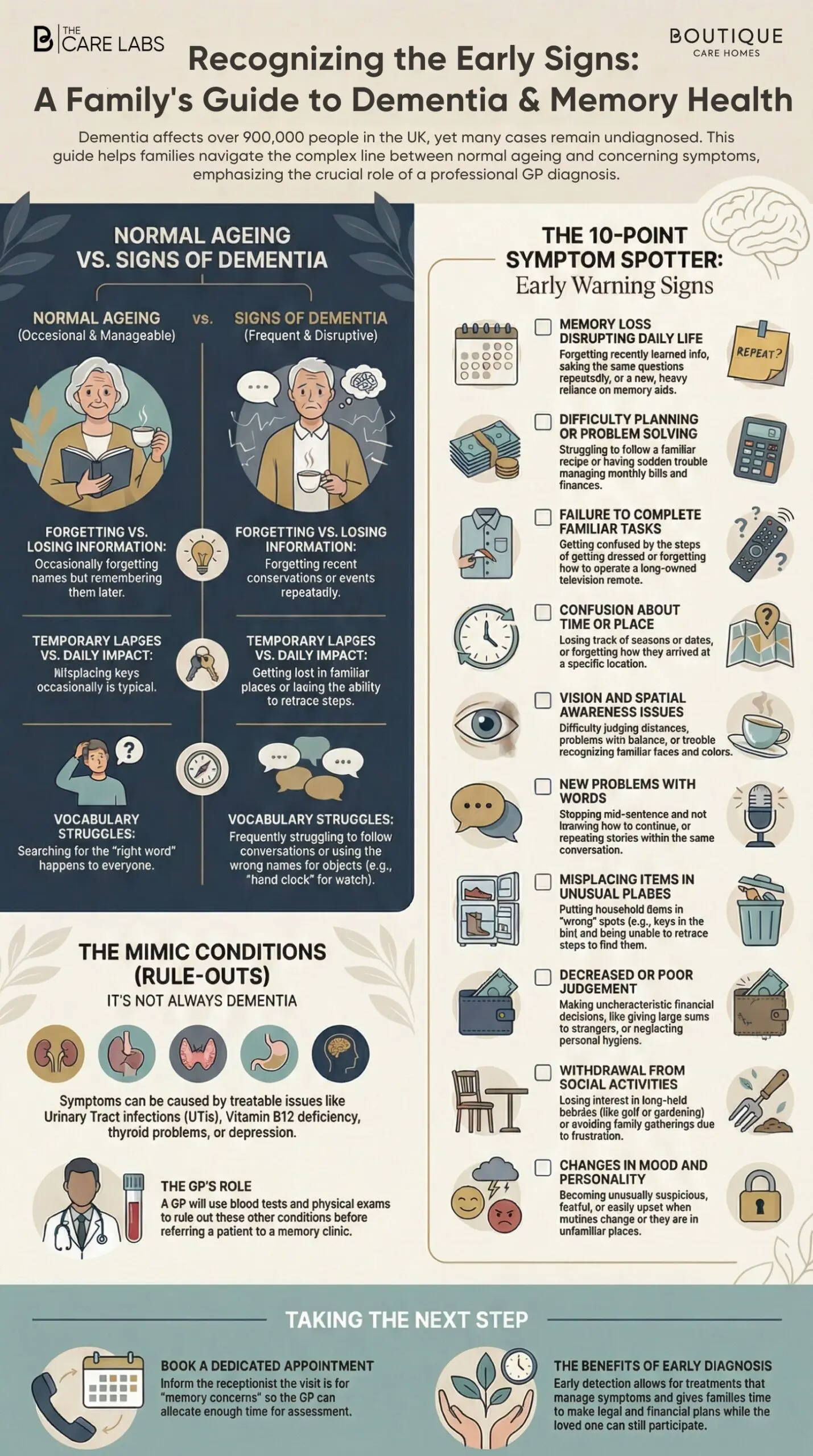
Recognising the early signs: A Family’s guide to Dementia & memory health
 Read More
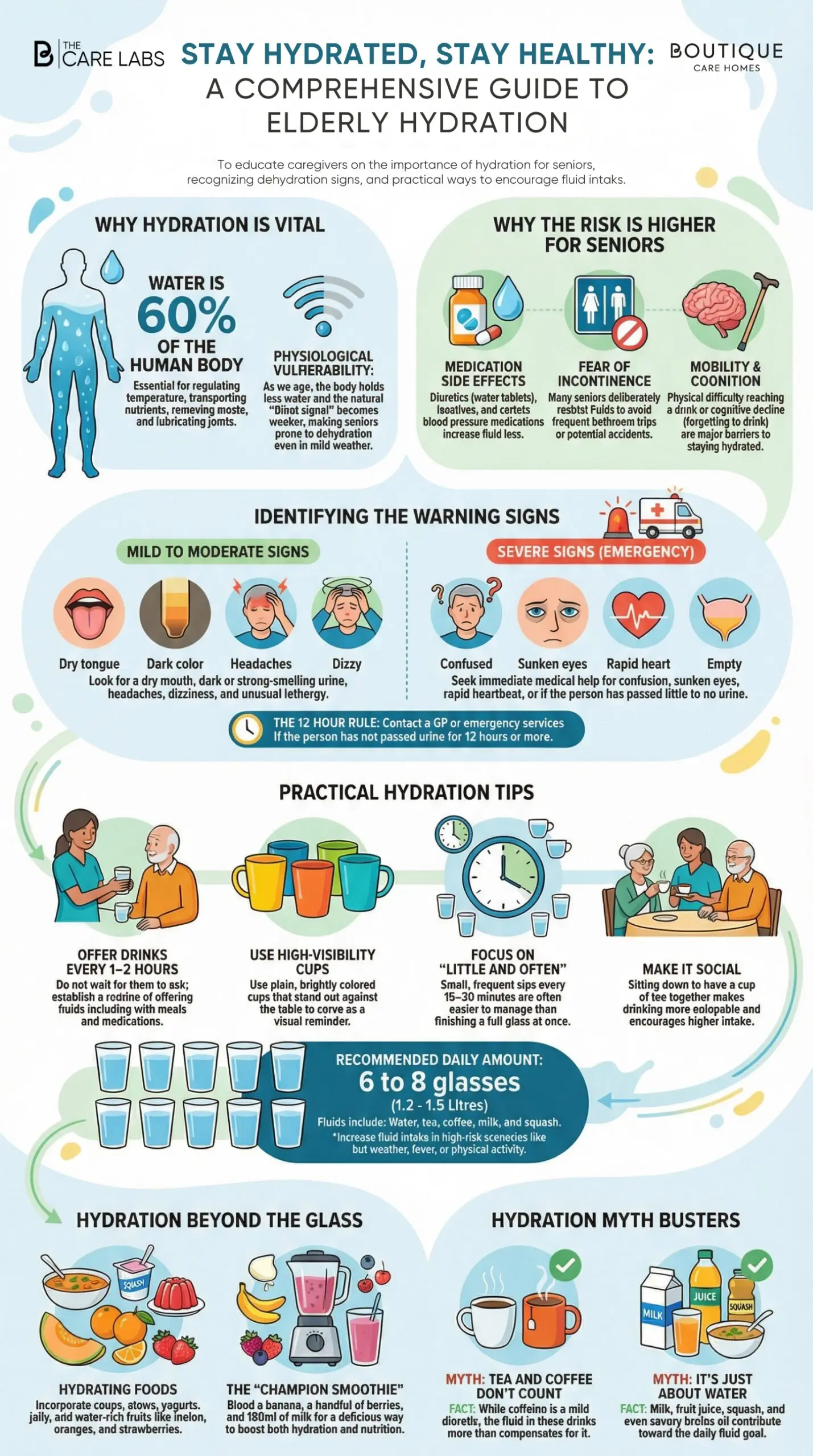
Stay Hydrated, Stay Healthy: A comprehensive guide to elderly hydration
Read More
